Soul of a City An art project by Natascha Küderli
3 min Trailer
Munich,
Soul of a City
Human beings create spaces, erect buildings and build cities. Using architecture, they mould their environment to adopt a specific appearance, rendering it recognizable and unique. The artist and architect Natascha Küderli has come to name this creation aspect a city’s „body“. But the „body“ is only a facet of what gives our cities and living spaces identity. Ever since her study of architecture, Küderli has been mulling over the question, if the element of the „soul“ of a city equally exists.
What is the
Soul of a City?
Soul of a City?

Soul of a City An art project by Natascha Küderli

Seeking the Soul of a City
An art project by Natasha Küderli
The key component to the make-up of this soul would be the residents, that dwell in these constructed surroundings and impact these spaces with positive or negative experiences. For Küderli, historical components play an integral part as well. „A city evolves and undergoes changes in body and soul like a living organism“, the artist explains her conceptual approach.
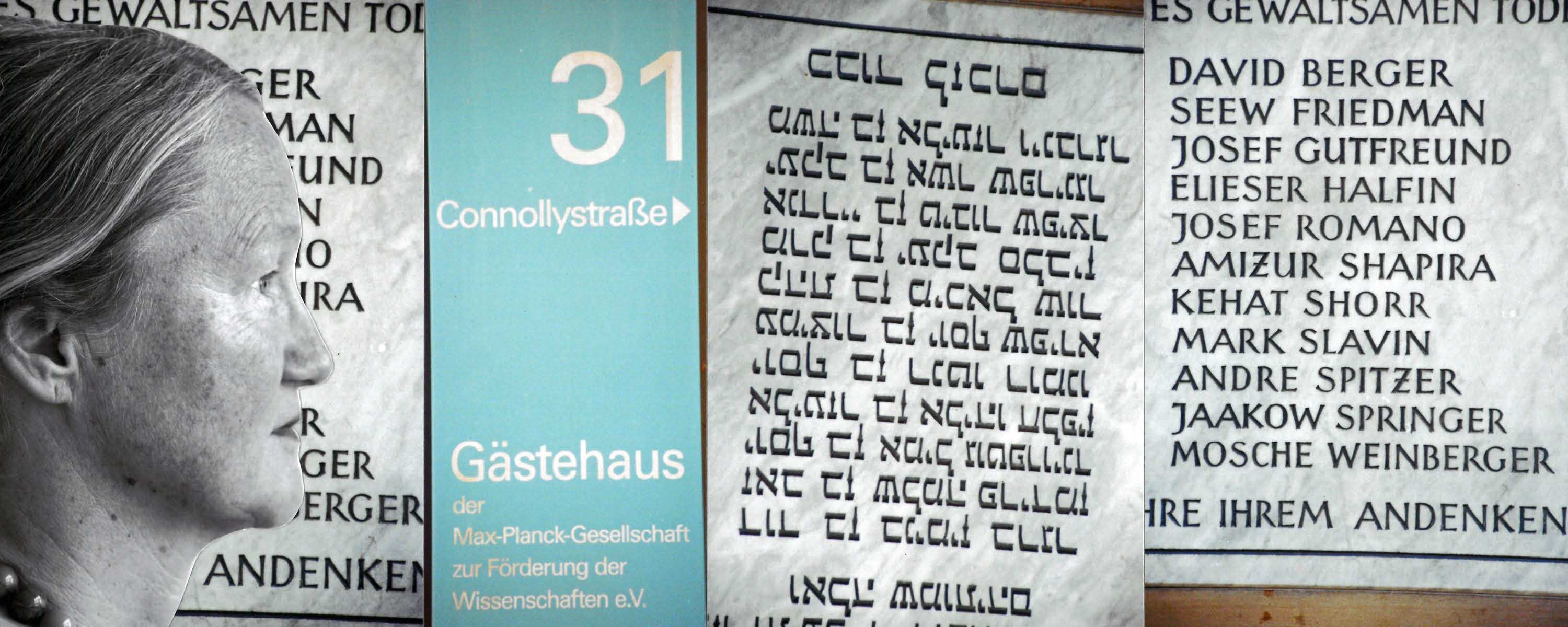
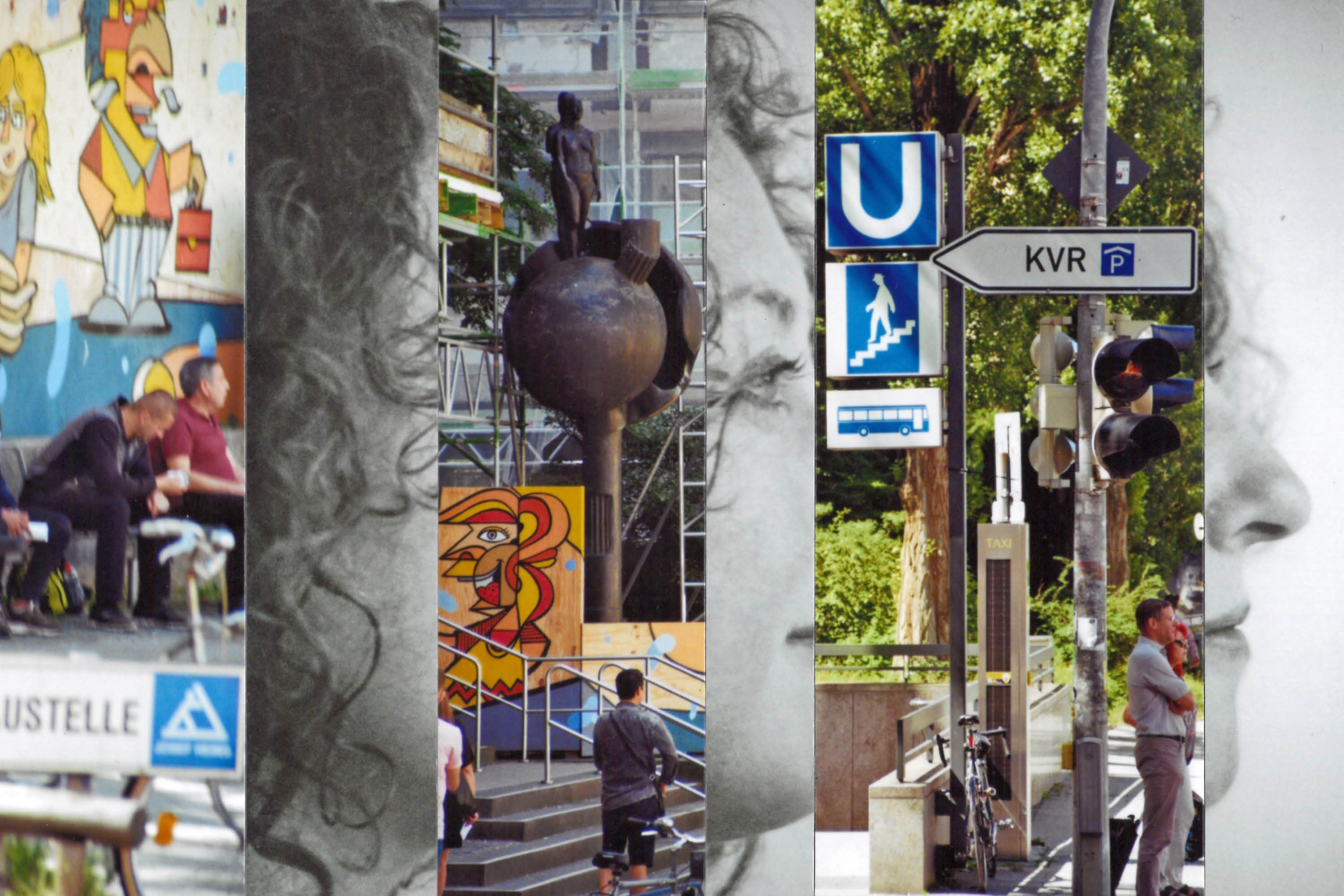
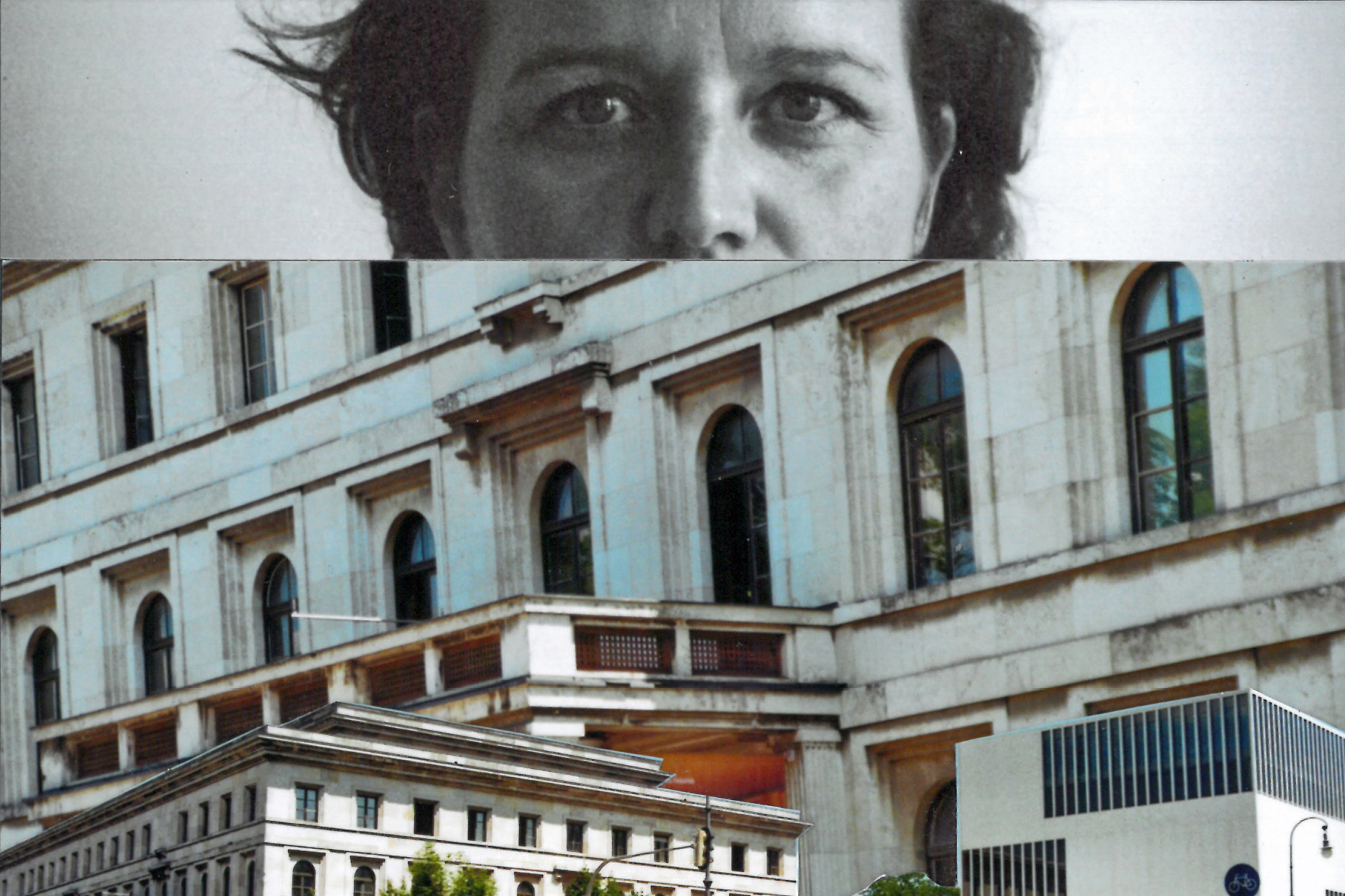
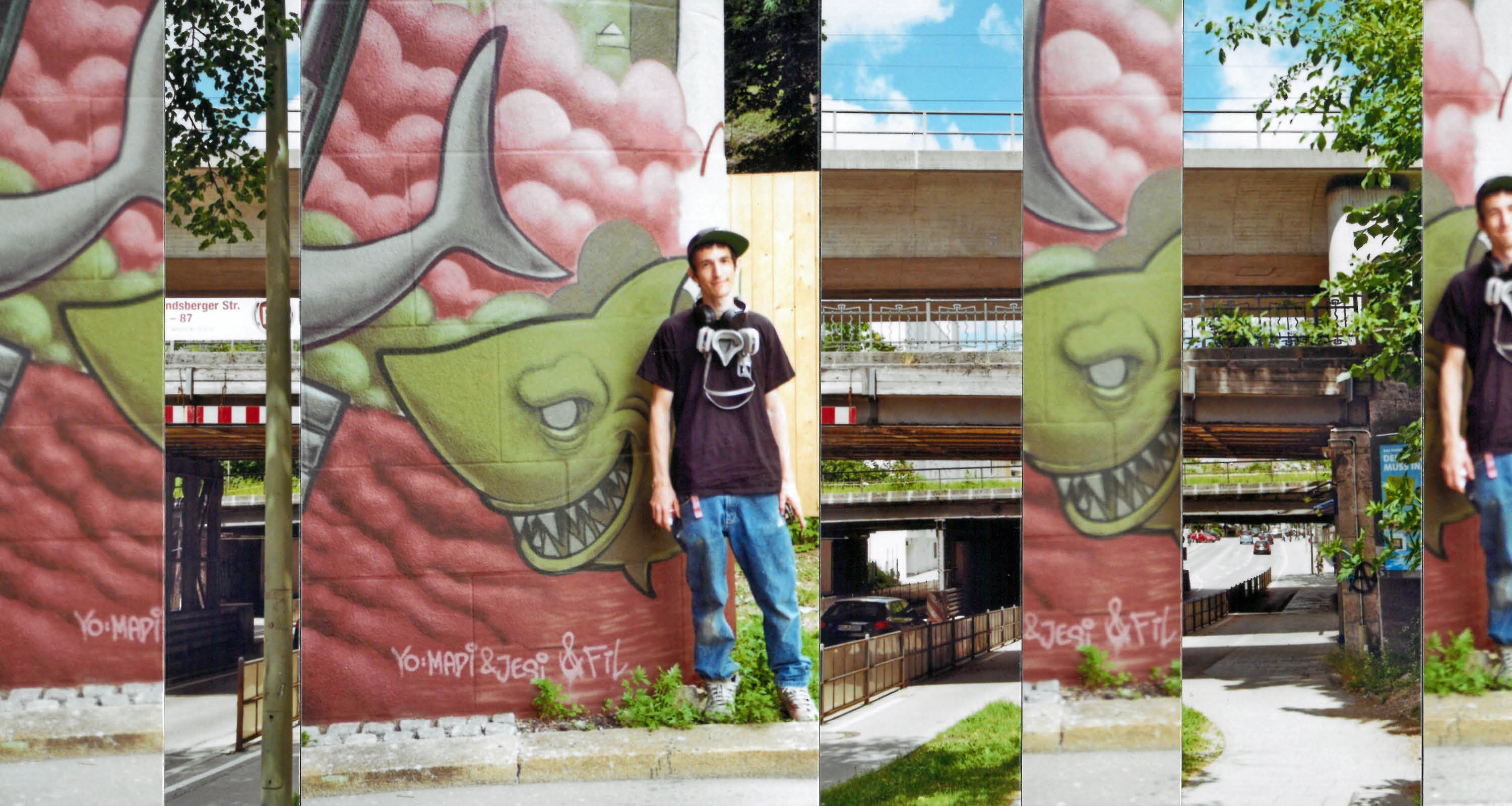
The soul of a city subsequently comes into sight in apparent traces visible in the public realm: Bullet holes in facades, building ruins, commemorative plaques, statues, monuments, public squares and memorial sites.
The soul of a city subsequently comes into sight in apparent traces visible in the public realm: Bullet holes in facades, building ruins, commemorative plaques, statues, monuments, public squares and memorial sites.
On the other hand, there are spaces, where it is not self-evident what happened or what humans experienced here, but these places are nevertheless imbued with memories and experiences. The „soul“ of a city reverberates in the realms of architecture, art and culture, politics and the economy, as well as in societal and religious structures.
Does a City
have a "Soul"?
have a "Soul"?

How is the soul of a city doing?
Could it be possible to discover, describe and depict how the soul of the city is faring? How do the experiences of the past affect our present day do the experiences of a city’s population reverberate in the current soul of a city? What ramifications can still be felt today?
The art film „Munich – Soul of a City“ deals with this line of questioning, trying to encounter the city of Munich like a human being. The project unearths the history and observes the present, in an attempt to create room for discovery for the future.
What is Munich´s
true personality
true personality

How will the project be realized?
To visually capture the soul of the city, Küderli begins by observing Munich’s history in close cooperation with tour guides and historians. In a second step, she meets with citizens living in the city today. Protagonists from different walks of life offer their take on the town in a camera interview. Every dialogue partner is given the same questions. By addressing the city as a persona with a soul in communication with the protagonists, they enter into a mutual relationship. In deliberating the questions, a dialogue between the city and its inhabitants begins. They listen to each other and take each other in
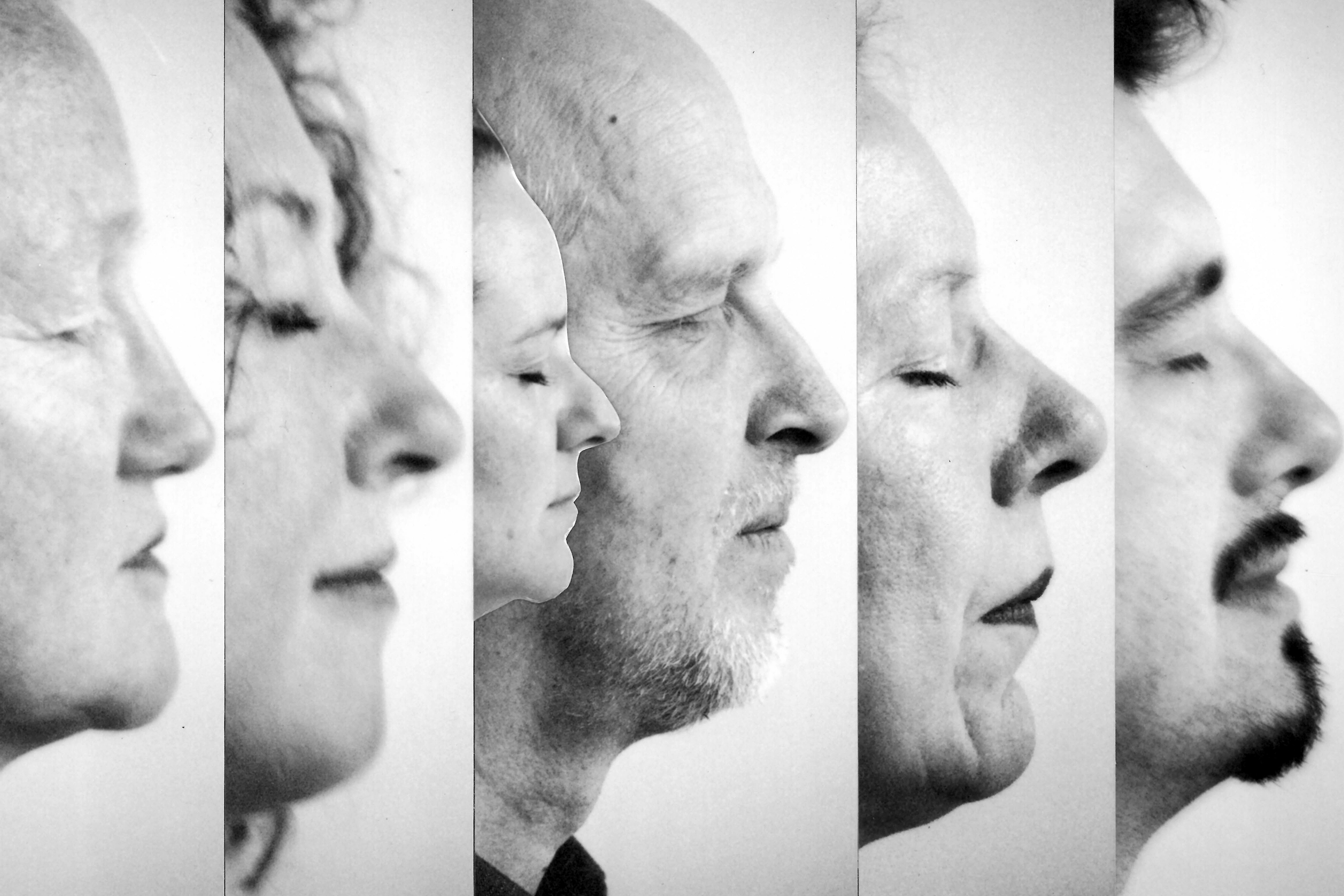
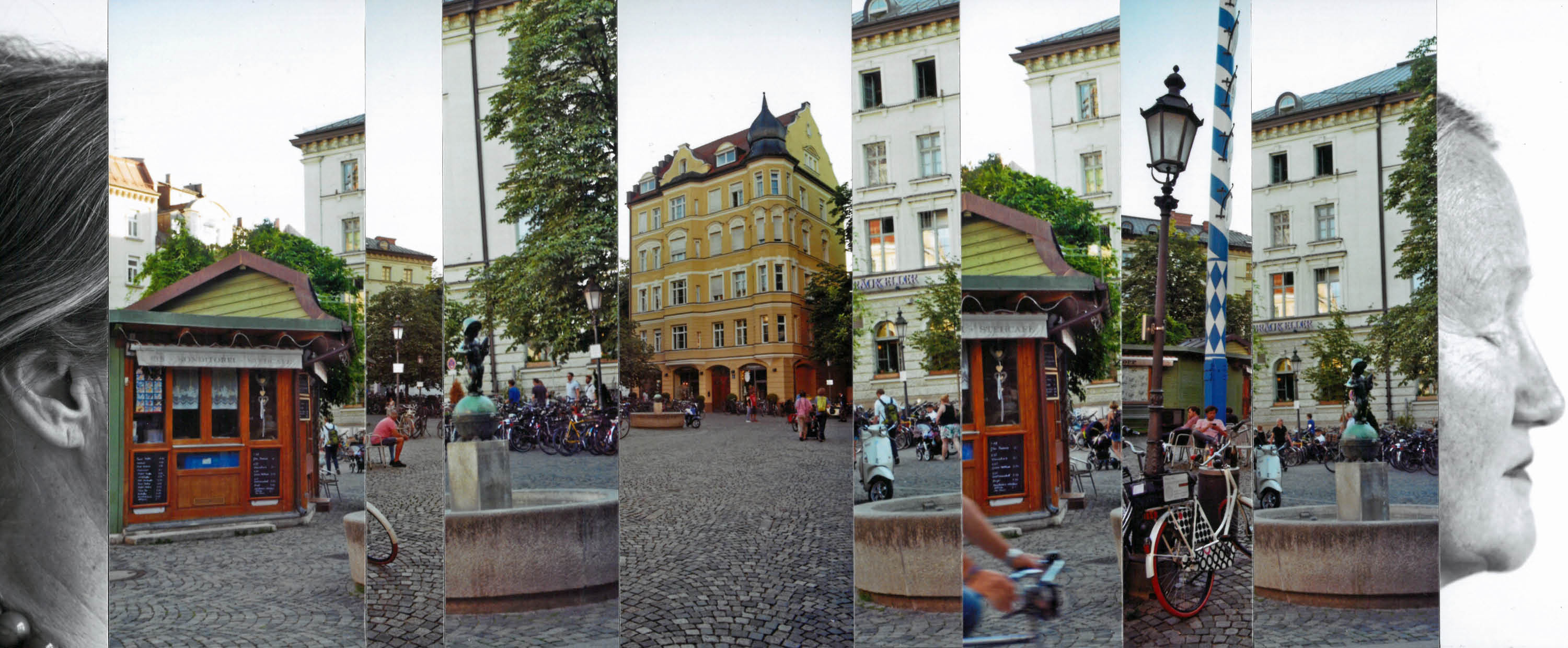
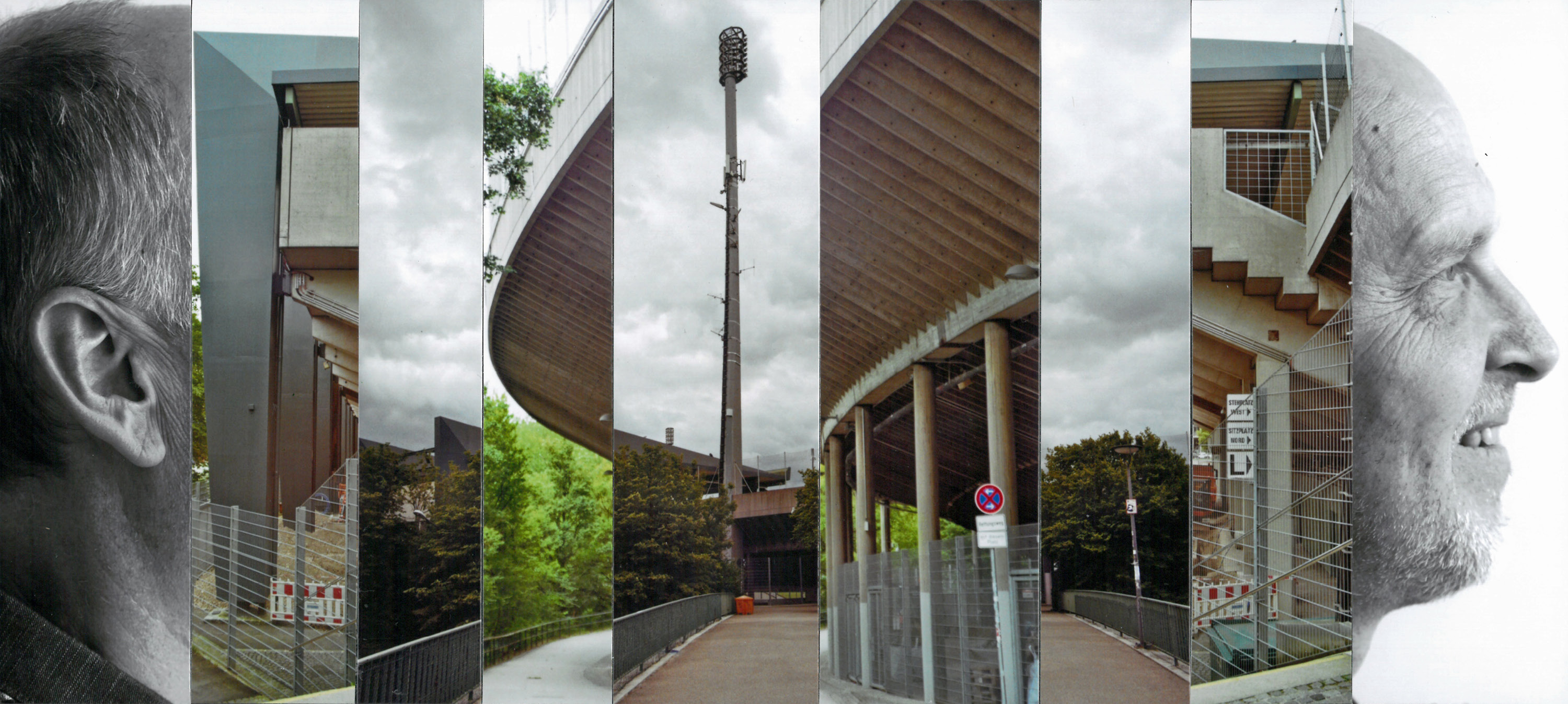
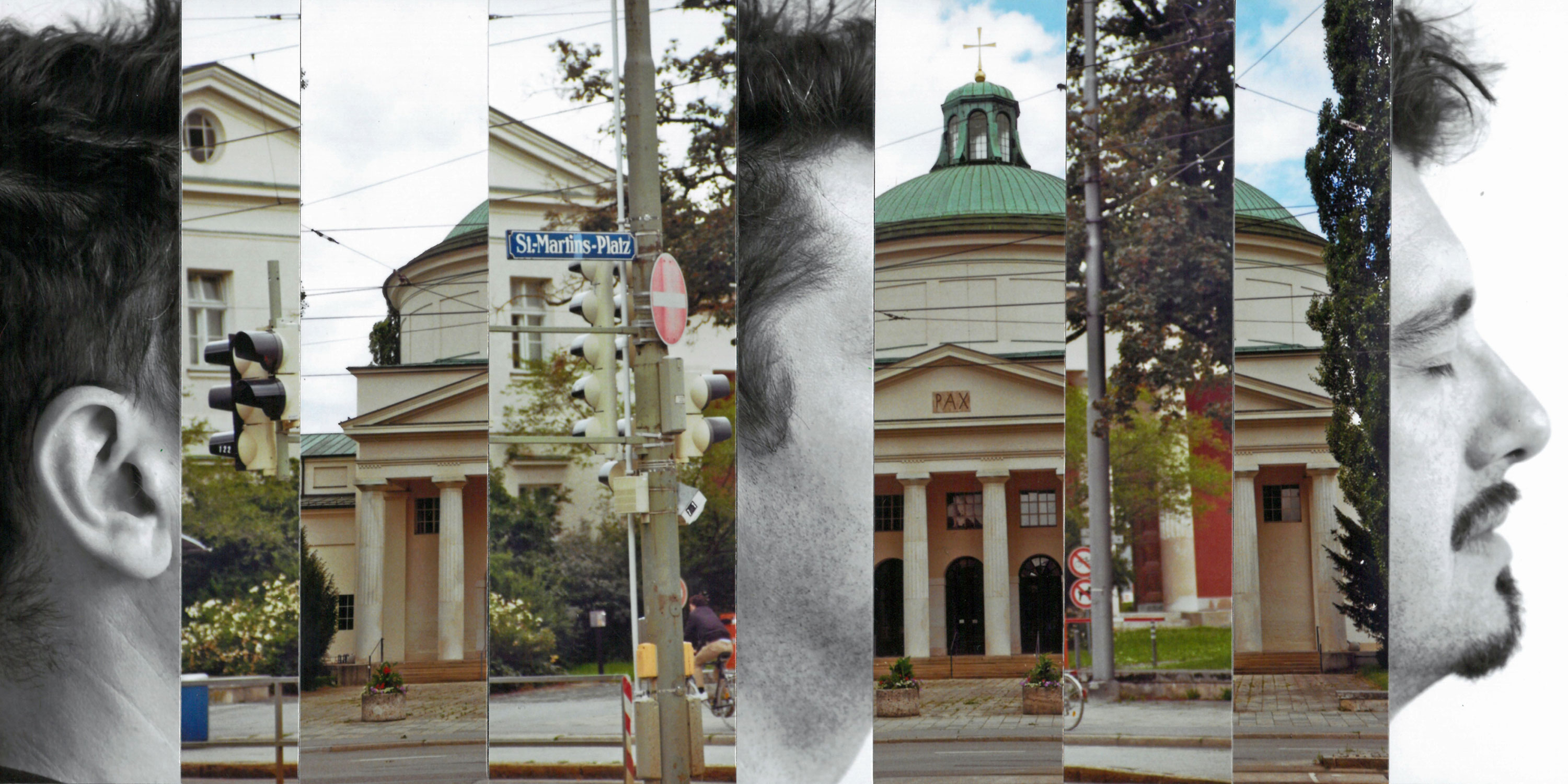
The outcome of the interaction will be presented as film- and photo collages assembled from amongst the interviews with the human protagonists and the urban locations and spaces. The art project „Munich – Soul of a City“, will be displayed in an exhibition, together with printed excerpts from the gathered interview material. Accompanying the exhibit will be a catalogue, as well as a documentary feature about the project.
Soul of a City An art project by Natascha Küderli
10 min Trailer
Who we look for:
The new art project by Natascha Küderli deals with the Soul of Munich, observing the city, as if it were a human being, attempting to become intimate with the city‘s depth and vastness. The project focusses on the will, mind and emotions of the town. Residents from diverse parts of society each represent their own facet of Munich. The artist unearths history, observes the present day and wishes to create room for discovery for future eras in doing so.
Soul of a City An art project by Natascha Küderli
Protagonists
Natascha Küderli is looking for three representatives for each of eight fields of society.
Natascha Küderli will select residents dwelling in the city today, that she can lend an ear. Protagonists with diverse social backgrounds will be taped, as they are giving live interviews offering their take on the city.
Three representatives from the areas of education and development, art and culture, media technology, sports and leisure, social studies and health, economy and finances, government and state, faith and spirituality will answer questions posed to them.
Three representatives from the areas of education and development, art and culture, media technology, sports and leisure, social studies and health, economy and finances, government and state, faith and spirituality will answer questions posed to them.
All conversational partners will receive the same questions. Thematically they will address the city as a personality with soul, that will be debating with the protagonists in question. The questionnaire will evoke a dialogue between city and residents. They both get to listen to and reflect each other.
In a further step, the protagonists in unison with the artist. will make their way to discover, how Munich is doing, where the town sees its strengths and weaknesses. How Munich can support itself and how on the other hand the city can open up to receiving help, to evolve in a positive direction.
In a further step, the protagonists in unison with the artist. will make their way to discover, how Munich is doing, where the town sees its strengths and weaknesses. How Munich can support itself and how on the other hand the city can open up to receiving help, to evolve in a positive direction.
Soul of a City An art project by Natascha Küderli

Introduce a protagonist to me
Representatives from eight different social sectors are wanted.
Contact: info[at]seele-einer-stadt.de
Contact: info[at]seele-einer-stadt.de
Protagonisten
Introduce me to a protagonist
Which persons from the eight areas of society do you personally know? Who would you propose as a representative on behalf of Munich and would like to introduce myself to them?
Natascha
Küderli
Dipl. Ingenieur FH
c/o whiteBOX Ateliers
Atelierstrasse 18, Werk 3, 3. Stock
D – 81671 München
www.nataschakuederli.com
info[at]seele-einer-stadt.de
Atelierstrasse 18, Werk 3, 3. Stock
D – 81671 München
www.nataschakuederli.com
info[at]seele-einer-stadt.de
Soul of a City An art project by Natascha Küderli
Natascha Küderli
Architect and Artist

Fotos: Matthias Fuchs
Natascha Küderli is a Swiss artist. She was born on 30.07.1970 in Zurich as the daughter of a German mother and a Swiss father. She lives and works in Munich. After an apprenticeship as a ceramicist, Natascha Küderli studied architecture at the FH Erfurt from 1992-96 and at the Berlage Institute (Center for Advanced Studies in Architecture and Urban Design) in Amsterdam from 1997-99. In 2000 she worked for the Creative Arts Department, More than Gold, of the Olympic Games in Sydney and from 2006-2010 for the Munich architecture firm SEP (Stadt Entwicklung Planung).
Since 2010 she has been a full-time artist in the field of photography and film. She developed her very individual concept, which brings the observation of form, light, space and structure to the foreground and places the focus of her analog photography on narrative processes. Her works visually tell multi-layered stories of people, cities and landscapes.
Artist Portrait Natascha Küderli
Artist Statement
As a trained ceramicist and architect, I have and have always had an enthusiasm for forms and their changes, structures and materials, as well as for light and space.
At the same time, I have long been dealing with cities, their soul and their spiritual atmosphere. From 1997-1999 in Amsterdam, I dealt with the soul of architecture because I wanted to know why certain buildings can trigger emotions in me, such as fascination and joy, but also discomfort or even fear.
For me, it was about the essence in architecture: What is it that touches us humans and what makes certain spaces, buildings and cities so unique? But above all, what actually is the soul? In search of the definition of the soul in religion, psychology and philosophy, I came to the conclusion that the soul is composed of: will, mind and emotion. This led me to the realization that architecture per se (steel, concrete, brick, wood, ...) has no soul, but rather the person who builds or built it. The architect and the client have a soul and this is reflected in the buildings. Likewise, every visitor and observer of a building or a city has a soul and accordingly perceives the building and the space in their own way, and the same applies to me in art. In my opinion, it is somewhat different with cities. In search of answers as to why there are different strengths and weaknesses in cities that cannot always be solved by architectural changes and interventions, the thought came to me:
At the same time, I have long been dealing with cities, their soul and their spiritual atmosphere. From 1997-1999 in Amsterdam, I dealt with the soul of architecture because I wanted to know why certain buildings can trigger emotions in me, such as fascination and joy, but also discomfort or even fear.
For me, it was about the essence in architecture: What is it that touches us humans and what makes certain spaces, buildings and cities so unique? But above all, what actually is the soul? In search of the definition of the soul in religion, psychology and philosophy, I came to the conclusion that the soul is composed of: will, mind and emotion. This led me to the realization that architecture per se (steel, concrete, brick, wood, ...) has no soul, but rather the person who builds or built it. The architect and the client have a soul and this is reflected in the buildings. Likewise, every visitor and observer of a building or a city has a soul and accordingly perceives the building and the space in their own way, and the same applies to me in art. In my opinion, it is somewhat different with cities. In search of answers as to why there are different strengths and weaknesses in cities that cannot always be solved by architectural changes and interventions, the thought came to me:
"If a person's soul can be healed, why not also the soul of a city?" Because cities were founded, built, expanded by humans and are inhabited by them. Thus, I compare the soul of a city with the soul of a human being. The same applies to the body and the spirit, or the spiritual atmosphere of a city. More on this soon, when my book – The Soul of a City – is published.
In my art, I address themes such as: movement, structure, levels and layers (layers) in nature and in cities. I do this because nature, cities and the spiritual atmosphere, as well as our body, our soul and our spirit, are multi-layered. In these levels and between these layers there is movement in the form of change, deformation and transport. Movement tells, provides, changes, moves, enlivens, dances. Whether I am now dealing with the levels of movement of a city like Berlin or with the soul of a city like Munich, both have to do with each other for me. The soul of a city is laid out in "historical levels," the transport of a city in "physical levels." For me, transport does not go into the depths of the soul, but enlivens and supplies the entire body of a city. If the traffic, comparable to veins and arteries, does not work, a city can die just like a body. It is similar with the soul. If a person's soul is sick or injured, the entire person is affected, and that has an effect on their environment. The same applies to cities.
In my art, I address themes such as: movement, structure, levels and layers (layers) in nature and in cities. I do this because nature, cities and the spiritual atmosphere, as well as our body, our soul and our spirit, are multi-layered. In these levels and between these layers there is movement in the form of change, deformation and transport. Movement tells, provides, changes, moves, enlivens, dances. Whether I am now dealing with the levels of movement of a city like Berlin or with the soul of a city like Munich, both have to do with each other for me. The soul of a city is laid out in "historical levels," the transport of a city in "physical levels." For me, transport does not go into the depths of the soul, but enlivens and supplies the entire body of a city. If the traffic, comparable to veins and arteries, does not work, a city can die just like a body. It is similar with the soul. If a person's soul is sick or injured, the entire person is affected, and that has an effect on their environment. The same applies to cities.